Monogram V: A Chic Choice for Personalized Embroidery
As a designer who has spent years staring at stitch maps and testing thread tensions on everything from flimsy silk to heavy denim, I have learned that the best designs are often the quietest. They do not scream for attention; they simply elevate the fabric they inhabit. This is precisely the impression Monogram V made when I first loaded the file into my software. It is not a complex, multi-layered masterpiece of shading, but rather a study in restraint. For those of us running small shops or creating custom gifts, this kind of simplicity is not just aesthetic—it is practical.
The First Impression: Clean Lines and Modern Mood
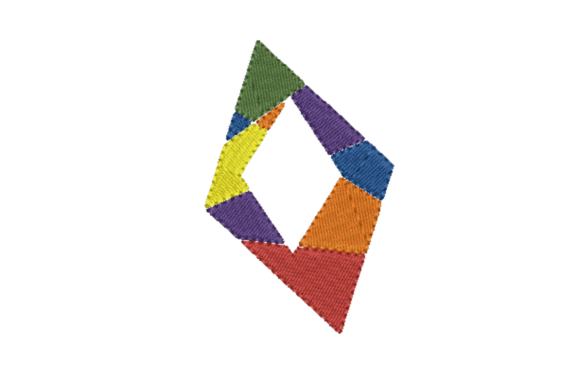
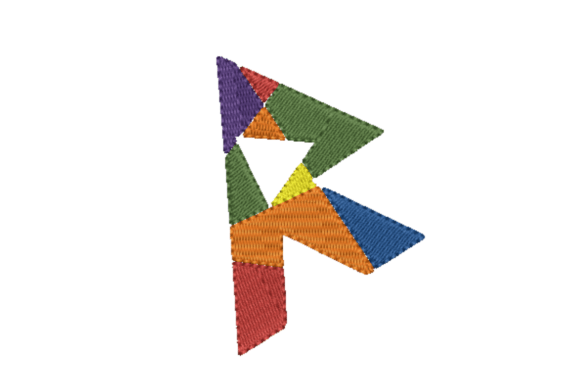
When you open the digital embroidery file for Monogram V, the immediate takeaway is clarity. The layout is balanced, avoiding the clutter that plagues so many free or low-cost designs found online. The shape belongs to the broader category of Shapes, yet it feels distinctly typographic and personal. It creates a mood that is both chic and approachable. In a world where customers are increasingly drawn to minimalist aesthetics, this design fits seamlessly into modern branding.
I appreciated the visual personality right away. It does not rely on excessive fill stitch density to make an impact. Instead, it uses line weight and spacing to define its character. This makes it versatile. Whether you are aiming for a rustic farmhouse vibe or a sleek, contemporary boutique look, Monogram V adapts without losing its identity. For an Etsy seller or a creative entrepreneur, this adaptability is crucial. You do not want a design that pigeonholes you into one specific niche.
Real-World Application: The Tote Bag Test
To truly evaluate an embroidery project, you must move beyond the screen and onto the hoop. I decided to test Monogram V on a natural canvas tote bag, a staple item for any craft business. Canvas is forgiving, but it can be tricky if the stitch density is too high, causing puckering, or too low, leaving gaps.
Stitching out Monogram V was a smooth experience. The design’s structure allowed the stabilizer to do its job without fighting against dense clusters of thread. The result was a crisp, professional finish that looked intentional and high-end. I could easily imagine this as part of a small shop product line, perhaps paired with a simple initial or a short word. The finished product exuded a sense of quality that justifies a higher price point. Customers are willing to pay more for items that look clean and well-executed, and this design delivers that perception effortlessly.
Versatility Across Products
Beyond tote bags, I considered how this design would perform on other common items. For sweatshirt embroidery, the open nature of the design prevents the "cardboard effect" that heavy stitching can cause on fleece. It sits lightly on the fabric, maintaining the garment's softness. Similarly, for baby embroidery, such as on a onesie or a burp cloth, the lack of excessive bulk is a major advantage. Parents appreciate comfort, and a lightweight design ensures the item remains wearable and soft against sensitive skin.
I also envision this working beautifully as an embroidered patch. Because the edges are clean and the shape is self-contained, it would cut well and apply neatly to jackets or hats. For holiday embroidery projects, such as personalized ornaments or gift tags, the simplicity allows for quick production without sacrificing visual appeal. It is a reliable asset for anyone looking to scale their commercial embroidery output during busy seasons.
Technical Considerations and Fabric Choices
While Monogram V is robust, no design is universal. There are specific scenarios where you need to proceed with caution. If you are working with very thin or stretchy fabrics, such as jersey knits or lightweight rayon, the stability of the design becomes paramount. Even with a simple shape, improper hooping or inadequate stabilizer can lead to distortion. I always recommend testing on scrap fabric first, especially when trying a new material.
Another factor is thread colors. Because the design relies on clear lines, contrast is key. On dark fabrics, ensure your thread color pops sufficiently. I found that testing the design in black and white mockups helped me visualize how the light and shadow would play across the stitches. If the contrast is too low, the details may get lost, reducing the impact of the personalized gift.
For curved surfaces like caps, the layout needs careful centering. The symmetry of Monogram V helps here, but you must account for the curvature of the crown. A design that looks perfect flat on the screen might appear skewed if not positioned correctly on a 3D object. Always check the alignment before hitting start.
Enhancing Brand Value and Customer Trust
From a business perspective, the choice of design assets directly influences brand consistency. Using a cohesive set of shapes and monograms like Monogram V helps establish a recognizable style. When customers see your work, they begin to associate that clean, chic look with your brand. This builds trust. A sloppy or overly complicated design can sometimes signal amateurism, whereas a refined, well-stitched monogram signals professionalism.
Furthermore, the versatility of this machine embroidery design allows for better inventory management. You can use the same core design across multiple product lines—aprons, tea towels, pillow covers—simply by changing the thread color or fabric base. This efficiency is vital for handmade product creators who need to maximize their time and resources.
Practical Notes for the Designer
Before you commit to using Monogram V in a client project or for sale, there are a few final checks to perform. First, verify the file formats included. The description mentions multiple formats, which is excellent for compatibility with various machines, but always confirm that your specific machine reads the file correctly. Second, review the license terms. If you plan to sell custom apparel or digital products featuring this design, ensure you have the appropriate commercial rights.
Finally, pay attention to the hoop size. While the design is compact, ensuring it fits comfortably within your standard hoops allows for easier production. If you are using an applique technique, check if the design includes placement stitches. If not, you may need to add them manually to ensure precise fabric positioning.
In conclusion, Monogram V is a thoughtful addition to any designer’s library. It respects the fabric, simplifies the production process, and delivers a polished look that appeals to modern consumers. It is not just a shape; it is a tool for creating value. Whether you are a hobbyist making gifts for friends or a seasoned Etsy seller building a brand, this design offers the reliability and elegance needed to succeed in today’s market. Treat it with care, test it thoroughly, and let its simplicity speak for itself.