Review: Mylar Baby Elephants for Sparkle Without the Fuss
As a designer who has spent countless hours hooping, stitching, and unpicking, I have learned that the difference between a good product and a great one often lies in the details. When I first loaded the Mylar Baby Elephants set into my software, I was not just looking for cute shapes. I was looking for practicality. We all know the struggle of working with metallic threads. They break, they shred, and they can turn a simple job into a maintenance nightmare. This collection promises the shimmer of metallics without the headache, using Mylar instead. After testing these designs on various fabrics and projects, I am ready to share how they hold up in real-world application.
First Impressions and Visual Personality
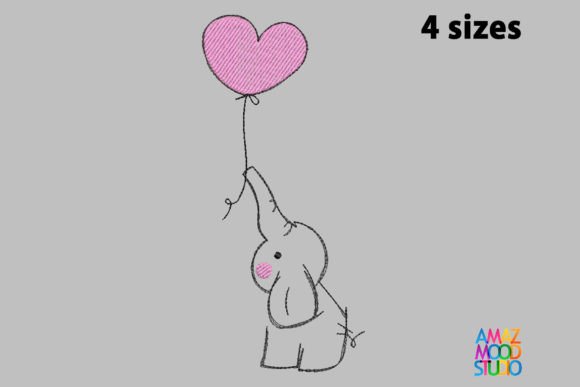
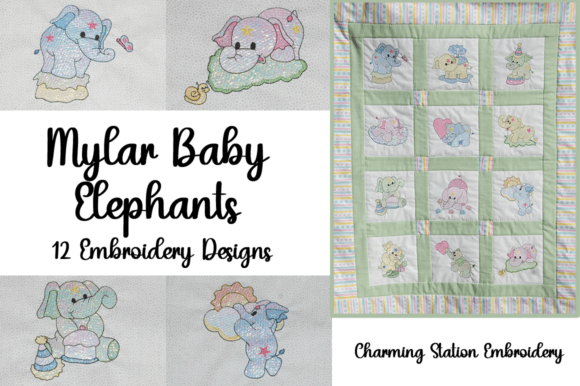
The immediate appeal of this Baby Animals collection is its charm. The twelve baby elephant designs are distinct yet cohesive, offering a range of poses that feel playful rather than static. From a design perspective, the layout is clean. The lines are smooth, which is crucial when you are dealing with specialty materials like Mylar. If a design is too jagged or complex, the Mylar can tear or shift during high-speed stitching. These designs avoid that pitfall.
The visual personality is soft and inviting, making it an ideal candidate for baby embroidery and nursery decor. However, do not let the "cute" factor fool you into thinking these are only for infants. The simplicity of the silhouette allows them to work well on adult items too, such as tote bags or casual sweatshirts, provided you choose the right thread colors. The mood is lighthearted, creating an instant emotional connection with the viewer, which is exactly what you want when selling a handmade product.
Real-World Application: The Custom Tote Test
To truly evaluate an embroidery file, you have to stitch it out. I decided to test one of the larger elephant designs on a canvas tote bag. Canvas is a popular choice for Etsy sellers and small shop owners because it is durable and provides a stable surface for stitching. I paired the design with a pastel pink satin thread for the body and used silver Mylar for the accent areas.
The result was impressive. The Mylar laid flat and reflected light beautifully, giving the elephant a subtle sparkle that caught the eye without being overpowering. This is where the value proposition of Mylar Baby Elephants shines. Using traditional metallic thread on canvas can often result in a scratchy texture or uneven coverage. With Mylar, the finish was smooth and professional. For a craft business, this means fewer customer complaints about texture and a higher perceived value for the finished product.
I also tested the design on a fleece sweatshirt. Here, the stabilizer choice became critical. Because fleece is stretchy and textured, I used a cut-away stabilizer to ensure the design did not sink into the fabric. The elephants popped nicely against the dark navy fleece, proving that these designs are versatile enough for custom apparel beyond just baby items.
Navigating Fabric and Hoop Constraints
While these designs are optimized for ease, they are not magic. You must consider your materials. When working with thin or stretchy fabrics, such as jersey knits for t-shirts, the stitch density matters. Although specific stitch counts are not provided in the basic description, visual inspection suggests a moderate density. This is generally good, but on very thin fabric, you might see puckering if you do not use the proper stabilizer. I recommend always testing on scrap fabric first. It saves time and material in the long run.
Another consideration is the hoop size. Ensure your machine’s hoop can accommodate the largest design in the set. If you are planning to create an embroidered patch, you might need to resize the design. Be cautious when resizing significantly. Shrinking a design too much can cause the stitches to become too dense, leading to thread breaks or fabric distortion. Expanding it too much can leave gaps in the fill. Always check the preview in your embroidery software before hitting start.
Dark fabrics present another challenge. The sparkle of Mylar relies on light reflection. On black or deep navy, the effect is stunning, but you must ensure your base thread colors contrast well. A low-contrast thread choice can make the design look muddy. I found that using lighter, brighter thread colors for the main body of the elephant helped the Mylar accents stand out more effectively on dark backgrounds.
Commercial Viability and Brand Consistency
For commercial embroidery professionals and digital product sellers, consistency is key. This set of twelve designs offers enough variety to create a cohesive product line. You could offer a matching set of baby bibs, burp cloths, and onesies, or create a series of tote bags with different elephant poses. This variety helps in building brand recognition. When customers see a consistent style across multiple items, they are more likely to trust the quality of your small shop product.
The use of Mylar also adds a unique selling point. In a market saturated with standard thread embroidery, the added sparkle can justify a higher price point. It elevates the item from a simple craft to a boutique-quality gift. Whether you are creating holiday embroidery for Christmas ornaments or personalized gifts for baby showers, the "wow" factor of the Mylar can drive buyer engagement.
However, always verify the licensing terms before selling. While many designers allow commercial use of finished physical items, rules vary for digital resale or large-scale manufacturing. Confirming these details protects your business and ensures you are operating within legal boundaries.
Practical Designer Notes for Best Results
To get the most out of Mylar Baby Elephants, keep these technical tips in mind:
- Test on Scraps: Never run a new design on your final garment without a test stitch. Check for registration issues and thread tension.
- Check Contrast: View your design in black and white on your computer screen. If the details disappear, your thread color choices may lack sufficient contrast.
- Stabilizer Selection: Match your stabilizer to your fabric. Use cut-away for knits and tear-away for wovens. For Mylar, a stable base is essential to prevent shifting.
- Inspect Small Details: Zoom in on the design in your software. Look for any tiny jump stitches or potential trimming issues that might need manual editing.
- Mockups Matter: Use printable mockups to visualize how the design will look on different products. This helps in marketing your design assets effectively before you even stitch a single thread.
Final Verdict
The Mylar Baby Elephants collection is a solid addition to any designer’s library. It solves a common problem—achieving a metallic look without the frustration of metallic thread—while delivering charming, versatile designs. Whether you are an Etsy seller looking to expand your baby line or a hobbyist wanting to add some sparkle to your next project, these designs deliver. They are well-suited for a variety of applications, from tote bag design to sweatshirt embroidery, provided you pay attention to fabric choice and stabilization. With careful execution, these elephants can become a standout feature in your portfolio, enhancing both the visual appeal and the commercial value of your work.