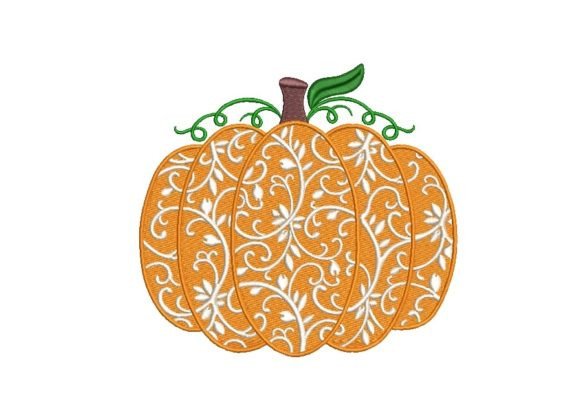
Reviewing Pumpkin Autumn for Personalized Gifts
As an embroidery designer who has spent years digitizing patterns and testing them on everything from delicate muslin to heavy canvas, I approach every new machine embroidery design with a critical eye. It is not just about whether the pattern looks good on a screen; it is about how it behaves under the needle and, more importantly, how it resonates with the end customer. Recently, I had the opportunity to test Pumpkin Autumn, a seasonal design that promises to bring warmth and style to fall-themed projects. For Etsy sellers, small shop owners, and crafters preparing their autumn inventory, understanding the nuances of this design is crucial for creating high-quality, personalized gifts.
The First Impression: Mood and Aesthetic Appeal
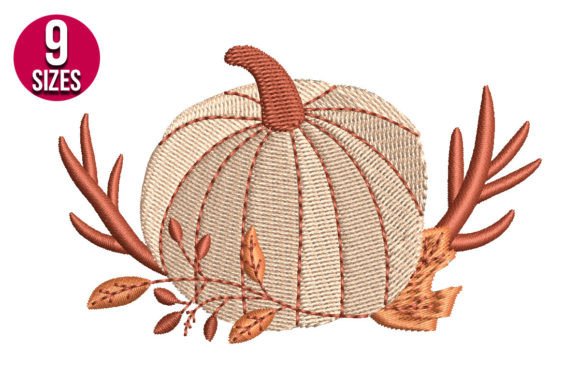
When I first loaded the digital embroidery file for Pumpkin Autumn into my software, the immediate impression was one of cozy elegance. The design captures the essence of the season without relying on clichéd or overly cartoonish elements. It feels both classic and modern, striking a balance that appeals to a wide demographic. The mood is undeniably warm, evoking images of crisp air, harvested fields, and family gatherings. This emotional appeal is vital for a personalized gift, as buyers are often looking for items that convey a sense of home and comfort.
The charm of Pumpkin Autumn lies in its detail level. It is intricate enough to look professional and high-value, yet not so dense that it becomes stiff or overwhelming on softer fabrics. For a handmade product to succeed in today’s market, it must look intentional and refined. This design achieves that by offering a stylized representation of pumpkins that feels artistic rather than generic. Whether you are aiming for a sweet, playful vibe for children’s items or a more sophisticated look for home decor, the versatility of the aesthetic allows for broad application.
Versatility Across Product Categories
One of the strongest assets of Pumpkin Autumn is its adaptability. In my review, I considered how this design would perform across various popular product categories. For baby product creators, this design is a standout choice for baby embroidery projects. Imagine a soft, neutral-toned blanket with this pumpkin motif embroidered in muted oranges and creams. It creates a timeless nursery item that parents will cherish beyond the holiday season. Similarly, for wedding gift designers, incorporating this motif into a kitchen set or a commemorative pillow can add a seasonal touch to engagement presents or anniversary gifts, especially for couples marrying in the fall.
For those running an online store, the potential for Etsy seller success is high. The design works beautifully on embroidered towels, where the texture of the terry cloth contrasts nicely with the smooth stitches of the pumpkin. Pillow covers are another excellent candidate; the design adds a focal point that transforms a plain cushion into a statement piece for autumn living rooms. Aprons and custom tote bags also benefit from this motif. A canvas tote with Pumpkin Autumn stitched prominently becomes a functional fashion accessory, perfect for farmers' markets or grocery runs, appealing to customers who value sustainable, reusable items with a handmade flair.
Navigating Fabric and Technical Challenges
While the design is visually appealing, practical application requires attention to detail. As an experienced designer, I must highlight where Pumpkin Autumn should be used carefully. The performance of any embroidery file is heavily dependent on the fabric texture and the stability of the material. For instance, when working with thick towels, ensuring that the stitch density does not cause puckering is essential. If the design has fine details, they may get lost in the loops of the towel fabric. In such cases, using a cut-away stabilizer can provide the necessary support to keep the stitches crisp and defined.
Stretchy baby clothes present another challenge. Knits require careful hooping and the right stabilizer to prevent distortion. If the hoop size is too large for the garment, or if the tension is not adjusted correctly, the pumpkin motif could warp after washing. Dark fabrics also require strategic planning. If you are stitching on navy or black fabric, you must ensure that the thread colors chosen have sufficient contrast. A low-contrast combination might look muddy from a distance, reducing the visual impact of the design. Always compare light and dark fabric mockups before committing to a production run.
Additionally, consider the curvature of the product. Embroidering on curved surfaces, such as the sleeve of a onesie or the corner of a pillow, requires precise placement. Small lettering or delicate details within the pumpkin design might not translate well if the fabric shifts during stitching. Therefore, checking small details after stitching a test sample is non-negotiable. This step ensures that the final product meets the high standards expected of a custom embroidery piece.
Enhancing Perceived Value and Customer Trust
Beyond the technical aspects, Pumpkin Autumn significantly affects the perceived value of the finished product. A well-executed embroidery design signals quality and care, which builds customer trust. When a buyer receives a handmade product that features clean, vibrant stitching, they are more likely to leave positive reviews and return for future purchases. The emotional connection fostered by a seasonal, thoughtful design like this can turn a one-time buyer into a loyal customer.
Product photography also plays a crucial role here. The visual appeal of Pumpkin Autumn lends itself well to lifestyle shots. Imagine a styled photo of the embroidered pillow on a rustic wooden bench with fallen leaves scattered around. Such imagery enhances buyer engagement and helps customers visualize the product in their own homes. For digital product sellers, providing a printable mockup or high-quality preview images can further boost sales by giving customers a clear idea of the final result.
Practical Notes for Production Success
To ensure the best results with Pumpkin Autumn, I recommend a few practical steps before starting your main production run. First, always test on scrap fabric that matches the weight and weave of your final material. This allows you to check thread color contrast and adjust tension settings without risking expensive goods. Second, confirm the stitch density in your software. If the design is too dense for lightweight fabrics, you may need to adjust the underlay or reduce the density slightly to prevent stiffness.
Using the proper stabilizer is paramount. For woven fabrics, a tear-away stabilizer might suffice, but for knits or items that will undergo frequent washing, a cut-away stabilizer offers superior durability. Since this design is intended for commercial use, it is vital to check the licensing terms. While the product description mentions that the machine embroidery design comes with multiple file formats, always verify that you have the rights for commercial embroidery before selling finished products. This protects your business and ensures ethical practices.
Finally, consider the care instructions for the end user. Items like blankets and towels will be washed regularly. Ensuring that the threads are colorfast and the stitching is secure will prolong the life of the finished product. By taking these precautions, you can confidently offer Pumpkin Autumn as a premium addition to your autumn collection, delighting customers with beautiful, durable, and meaningful gifts.