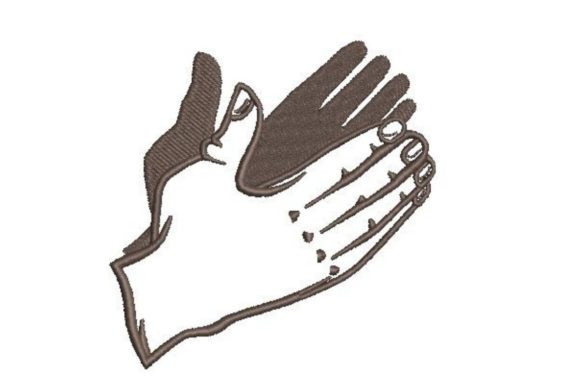
Clapping Hands: A Designer’s Review for Small Business Merch
As an embroidery designer who has spent years digitizing and testing files for commercial use, I approach every new machine embroidery design with a critical eye. It is not enough for a motif to look cute on a screen; it must perform flawlessly under the needle, withstand industrial washing, and elevate the brand it represents. Recently, I reviewed Clapping Hands, a design categorized under Inspirational themes, to determine its viability for small business merchandise and branded applications. This review focuses on how this specific embroidery file translates from digital asset to tangible product value.
First Impressions: Visual Personality and Brand Fit
The initial description of Clapping Hands promises a "very sweet design" that adds a "fresh touch." In the context of professional branding, "sweet" can sometimes translate to juvenile or overly decorative, which limits commercial application. However, upon closer inspection of the motif’s structure, I found that the design leans more toward friendly and approachable rather than childish. For businesses in the service industry—such as local bakeries, florists, pet brands, or creative studios—this visual personality is a significant asset. It conveys warmth and appreciation, aligning perfectly with customer-centric values.
The design feels handmade yet polished. It avoids the rigid, corporate stiffness of traditional logos, offering instead a human element that resonates with modern consumers who value authenticity. When considering brand identity, this motif works best for companies wanting to project gratitude, celebration, or community support. It is not a bold, aggressive statement piece; rather, it is a subtle, elegant accent that enhances the perceived care behind a handmade product.
Real-World Applications for Small Business Merch
The true test of any digital embroidery file is its versatility across various substrates. I evaluated Clapping Hands for several common small business merchandising scenarios. Here is where this design shines:
- Embroidered Patches: This is arguably the strongest use case. The motif’s contained shape makes it ideal for iron-on or sew-on patches. These can be used as limited-edition add-ons for online orders, creating a sense of exclusivity and delight for the customer.
- Apron Embroidery: For cafes and boutiques, staff uniforms are walking billboards. Placing Clapping Hands on the chest pocket or lower corner of an apron adds a layer of professionalism without overwhelming the uniform. It signals that the staff is happy to serve.
- Tote Bag Design: Canvas totes are staples for retail packaging. The design’s "fresh touch" complements natural fabrics well. When centered or placed off-center on a tote, it transforms a simple bag into a keepsake item, increasing the perceived value of the purchase.
- Cap Embroidery: While tricky due to curvature, this design can work on the side panel or back of a dad hat. It serves as a subtle brand marker for team members or loyal customers, fostering a sense of community.
For Etsy sellers and crafters, integrating this motif into custom apparel lines allows for differentiation. It moves beyond generic text-based designs, offering a visual symbol that can become synonymous with the shop’s ethos of gratitude and quality.
Technical Considerations and Production Notes
While the aesthetic appeal is strong, technical execution is where many designs fail in a commercial setting. The product description notes that the file comes in multiple formats, which is essential for compatibility with various machine brands. However, as a designer, I must advise caution regarding specific technical parameters that are not explicitly detailed in the brief summary.
Stitch Density and Fabric Texture: Sweet, detailed designs often carry higher stitch densities to maintain shape definition. When embroidering on textured fabrics like terry cloth towels or thick canvas, high density can cause puckering. I recommend testing Clapping Hands on a scrap piece of your intended fabric first. If the design appears too dense, consider using a heavier cut-away stabilizer to support the stitches and prevent distortion.
Size and Legibility: The clarity of the hands’ details will diminish if scaled down too far. For small patch sizes or delicate sleeve details, ensure the hoop size allows for sufficient resolution. If the outlines are too thin, they may break during wear or washing. Always inspect the design at 100% zoom in your embroidery software to check for potential thread breaks or excessive jump stitches.
Thread Color Contrast: Because the design is inspirational and friendly, color choice plays a pivotal role. On dark uniforms, a high-contrast thread color is necessary for visibility. However, for a more premium, understated look on light-colored aprons or totes, consider tonal threading—using a thread shade slightly darker or lighter than the fabric. This creates a sophisticated, embossed effect that appeals to high-end buyers.
Enhancing Brand Identity and Customer Trust
Incorporating Clapping Hands into your product line is not just about decoration; it is a strategic move for brand identity. Consistent use of high-quality embroidery signals attention to detail. When a customer receives a package with a beautifully embroidered patch or a tote with a clean, well-executed design, their trust in the brand increases. It suggests that the business invests in quality assets, which translates to perceived quality in the primary products sold.
Furthermore, this design aids in visual consistency. By using the same motif across different touchpoints—packaging inserts, staff apparel, and social media printable mockup images—you create a cohesive brand experience. This recognition fosters loyalty. Customers begin to associate the clapping hands symbol with positive interactions and reliable service.
Practical Steps Before Commercial Use
Before launching any commercial embroidery project featuring this design, follow these professional steps to ensure success:
- Verify Licensing: The description mentions it is ready for your next project, but always confirm the specific commercial license terms. Ensure you have the right to sell finished products featuring this design.
- Create a Mockup: Use digital tools to place Clapping Hands on your specific products. This helps visualize scale and placement before stitching a single thread.
- Test Stitch-Out: Run a test on the actual fabric you plan to use. Check for registration issues, thread breaks, and overall aesthetic balance.
- Review File Formats: Ensure the provided embroidery file formats match your machine’s requirements. Common formats include PES, DST, and JEF. If your format is missing, contact the seller before purchase.
- Assess Wash Durability: Wash and dry the test sample multiple times. Check for thread fraying or fabric distortion. This step is crucial for items like aprons and uniforms that undergo frequent laundering.
In conclusion, Clapping Hands is a versatile and emotionally resonant addition to a designer’s library. It bridges the gap between playful charm and professional presentation. For small business owners, boutique operators, and apparel decorators, it offers a unique way to communicate gratitude and quality. By paying attention to technical details like stabilizer choice, thread contrast, and sizing, you can leverage this Inspirational Embroidery design to create memorable, high-value merchandise that strengthens your brand and delights your customers.