Tailor Gnome: A Designer’s Review for Business Merch
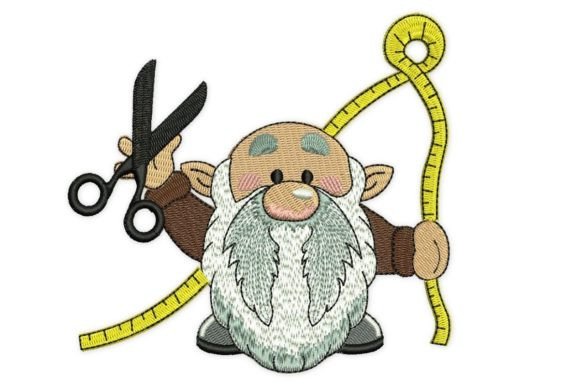
As an embroidery designer who has spent years digitizing files and consulting with small business owners, I approach every new machine embroidery design with a critical eye. It is not enough for a motif to be cute; it must be functional, scalable, and capable of elevating a brand’s visual identity. Recently, I reviewed Tailor Gnome, a design marketed as high-quality, fun, and easy to stitch. For boutique owners, Etsy sellers, and apparel decorators, the question is always the same: does this design hold up in a commercial setting? My assessment focuses on how Tailor Gnome performs when applied to real-world merchandise, from staff uniforms to branded patches.
First Impressions: Balancing Playfulness with Professionalism
The immediate appeal of Tailor Gnome lies in its dual nature. The description promises a look that is both "fun" and "elegant," a combination that can be difficult to achieve in Embroidery. In my experience, whimsical characters often suffer from poor digitizing, resulting in messy outlines or excessive stitch counts that pucker fabric. However, Tailor Gnome appears to prioritize clean lines and balanced proportions. This makes it suitable for businesses that want to project a friendly, approachable image without sacrificing a premium feel. Whether you run a cozy bakery, a creative studio, or a local florist shop, this design offers a rustic yet polished aesthetic that aligns well with handmade branding.
The versatility of the design is its strongest asset. It does not scream "novelty item" in a way that limits its use. Instead, it feels like a legitimate logo accent or mascot. For small business merch, this distinction is vital. Customers are more likely to wear or use an item if the design feels intentional and stylish rather than purely decorative. Tailor Gnome strikes this balance, making it a strong candidate for brands looking to add personality to their custom apparel and accessories.
Real-World Applications for Small Business Merchandise
When evaluating a digital embroidery file for commercial use, I consider where it will live on the final product. Tailor Gnome shines in several key areas:
- Embroidered Patches: This is perhaps the most effective use case. A patch allows for controlled stitching on a stable background before application. Tailor Gnome would work beautifully as an iron-on or sew-on patch for tote bags, denim jackets, or laptop sleeves. It serves as a tangible touchpoint for customer engagement.
- Staff Uniforms and Aprons: For cafes and boutiques, apron embroidery is a subtle yet powerful branding tool. Placing Tailor Gnome on the chest pocket or lower corner of an apron adds a touch of charm to the staff’s appearance. It reinforces brand identity without being overwhelming.
- Cap Embroidery: Front-panel cap designs require simplicity and boldness. If the design scales down well, Tailor Gnome could serve as a distinctive logo on baseball caps or beanies. This is a popular item for event merch and customer gifts.
- Tote Bag Design: Canvas totes are staples for handmade brands. Stitching this gnome onto a natural cotton tote creates a high-value handmade product that customers love to reuse, effectively turning them into walking advertisements for your business.
These applications demonstrate that Tailor Gnome is not just a pretty picture; it is a versatile design asset that can drive sales across multiple product lines. By integrating it into your commercial embroidery workflow, you create a cohesive look across different items, enhancing professional recognition.
Technical Considerations and Production Challenges
While the aesthetic appeal is strong, practical execution requires attention to detail. The product description notes that the design comes with multiple options, but it does not specify exact stitch counts or hoop sizes. As a designer, I advise caution here. Before running a full production batch, you must verify the technical specifications.
Stitch density is a primary concern. If the design is too dense, it may cause puckering on lightweight fabrics like t-shirts or silk blends. Conversely, if it is too sparse, it may lack definition on textured materials. I recommend testing Tailor Gnome on various fabric textures to determine the ideal stabilizer pairing. For caps, a stiff backer is essential to maintain shape, while cut-away stabilizer might be better for stretchy apparel.
Another critical factor is scale. Small details can get lost when the design is reduced for tiny patches or sleeve accents. I suggest creating a printable mockup at the intended size to check for clarity. If the gnome’s features become indistinguishable below a certain diameter, you may need to limit its use to larger items like tote bags or back-of-jacket placements. Additionally, consider thread colors. High contrast is necessary for visibility, especially on dark uniforms. Test the design in black and white first to ensure the outlines remain clear without relying on color differentiation.
Enhancing Brand Identity and Customer Trust
Consistency is key to building trust. When customers see the same high-quality Tailor Gnome design on their receipt bag, their coffee apron, and their purchased tote, it reinforces the professionalism of your brand. It signals that you care about the details. This level of polish increases the perceived value of your finished product, allowing you to command higher prices.
Moreover, whimsical yet elegant designs foster emotional connections. A brand identity that feels human and approachable encourages loyalty. Tailor Gnome can serve as a mascot that customers associate with positive experiences. Whether used as a thank-you gift or a premium add-on, it enhances the unboxing experience and drives social media sharing. For Etsy sellers, unique branded elements like this can differentiate your shop from competitors using generic clipart.
Final Verdict and Designer Notes
Tailor Gnome is a promising addition to any embroidery library, particularly for businesses in the Sewing and craft sectors. Its blend of fun and elegance makes it adaptable for various merchandise types. However, success depends on proper testing and application.
Before committing to large-scale production, follow these steps:
- Verify Licensing: Confirm that the embroidery file includes commercial use rights. Never assume; always check the license terms provided by the designer.
- Test on Real Fabric: Digitized previews can be misleading. Stitch out the design on the actual material you plan to sell.
- Check Hoop Size Compatibility: Ensure the design fits within your machine’s standard hoops without requiring excessive re-hooping, which can lead to alignment issues.
- Create Client Mockups: If you offer custom services, use Tailor Gnome in digital mockups to show clients how it looks on different items. This helps manage expectations and secure approvals.
In conclusion, Tailor Gnome offers a solid foundation for creating memorable, high-quality merchandise. With careful attention to technical details and strategic placement, it can become a cornerstone of your brand’s visual language. For small business owners looking to elevate their custom apparel and accessories, this design is worth exploring further.