Mr and Mrs Monogram: A Designer’s Review
As an embroidery designer who has spent years digitizing patterns and testing them on everything from stiff denim to delicate silk, I approach every new machine embroidery design with a critical eye. It is not enough for a pattern to look good on a screen; it must hold up under the needle, survive the wash cycle, and appeal to the end customer. Recently, I evaluated the Mr and Mrs Monogram, a piece categorized under Wedding Quotes, to determine its viability for real-world commercial and personal projects. Here is my practical assessment of how this design performs in the hoop.
First Impressions and Visual Personality
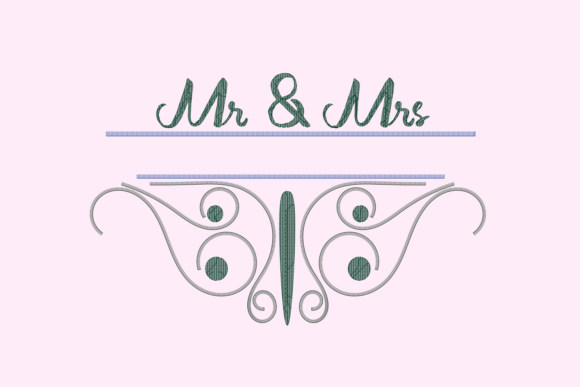
The initial appeal of the Mr and Mrs Monogram lies in its balanced composition. In the world of Embroidery, monograms can often feel cluttered or overly ornate, losing legibility when scaled down. However, this design maintains a clean, romantic aesthetic that feels timeless rather than trendy. The layout suggests a classic serif or script influence, which immediately signals elegance. For a designer, this is crucial because it dictates the mood of the finished product. It does not scream for attention with excessive density; instead, it invites a closer look.
When I loaded the embroidery file into my software to inspect the stitch path, I looked for potential jump stitches or unnecessary trims that could slow down production. The flow appeared logical, suggesting that the digitizer considered machine efficiency. This is a subtle but vital detail for anyone running a craft business where time is money. The visual personality is warm and celebratory, making it an obvious candidate for nuptial gifts, but its simplicity allows it to transcend specific wedding themes, fitting well into anniversary gifts or romantic home decor.
Real-World Application: The Custom Tote Test
To truly understand a design, you must stitch it out. I chose to test the Mr and Mrs Monogram on a canvas tote bag, a staple item for many Etsy sellers and boutique owners. Canvas provides a stable base, but it also reveals issues with stitch density and pull. As the machine ran, I observed how the satin stitch elements interacted with the fabric weave. The design sat flat without causing significant puckering, a common issue with dense lettering on textured fabrics.
The result was a polished, professional-looking handmade product. The contrast between the thread and the natural canvas highlighted the clarity of the letters. This success translates directly to other applications. Imagine this same design on a high-quality linen tea towel for a bridal shower gift, or as a subtle accent on a cotton apron for a couple moving into their first home. The versatility here is strong. It works equally well as a standalone centerpiece or as part of a larger embroidery project that includes floral motifs or dates.
Apparel and Fabric Considerations
Moving beyond home goods, I considered how this monogram would perform on apparel. Sweatshirt embroidery is a huge market for small shop products. On fleece or French terry, the design needs enough density to prevent the fabric from showing through the stitches, but not so much that it becomes stiff and uncomfortable. The Mr and Mrs Monogram appears to have a moderate stitch count, which is ideal for garments. It would likely sit comfortably on a chest pocket or the lower hem of a hoodie without adding bulk.
However, caution is required when working with stretchy fabrics like jersey knits for custom apparel. Without proper stabilization, even a well-digitized design can distort. I recommend using a cut-away stabilizer for any garment that will be worn and washed frequently. For baby embroidery projects, such as onesies or burp cloths, the softness of the thread choice becomes paramount. Using a high-quality rayon or polyester thread in pastel shades can enhance the gentle nature of the design, making it perfect for newborn gifts.
Navigating Technical Challenges
No design is without its limitations, and honest review requires addressing where the Mr and Mrs Monogram might struggle. Small hoop sizes are the first constraint. If you are working with a 4x4 inch hoop, you must ensure the design fits comfortably within the safe stitching area, leaving room for hooping errors. Always check the dimensions provided in the digital embroidery file package before purchasing.
Textured fabrics present another challenge. While the design worked well on canvas, highly textured materials like bouclé or heavy wool may obscure finer details. The running stitch outlines, if present in smaller decorative elements, might get lost in the pile of the fabric. In such cases, increasing the stitch width slightly or choosing a contrasting thread color can help maintain visibility. Similarly, on dark fabrics, ensure your thread colors have sufficient contrast. A white or cream thread on black cotton is classic, but if the design relies on subtle shading, it may appear flat.
Curved surfaces, such as caps or hats, require careful hooping. The Mr and Mrs Monogram would look charming on a baseball cap for a honeymoon trip, but the curvature can distort straight lines. Using a hat frame and testing on a scrap piece of the exact cap material is non-negotiable. Additionally, if the design includes very tiny lettering or intricate corners, these areas are prone to thread breaks or nesting if the tension is not perfectly calibrated. Always run a test stitch on scrap fabric identical to your final material.
Commercial Value and Brand Consistency
For commercial embroidery professionals and small shop product creators, the value of a design lies in its ability to sell. The Mr and Mrs Monogram has high giftability. It taps into the evergreen market of weddings and anniversaries. When used in printable mockup images for online listings, the clean lines photograph well, helping to build customer trust. A clear, crisp image of the stitched design conveys professionalism and quality.
Brand consistency is also key. If your shop specializes in minimalist, modern aesthetics, this design fits seamlessly. If your brand is more rustic or bohemian, you might pair it with floral design assets to soften the look. The flexibility of the monogram allows it to adapt to various brand identities without losing its core message. This adaptability increases its ROI for designers who need versatile files that can be repurposed across multiple product lines, from embroidered patch collections to personalized pillow covers.
Practical Designer Notes for Best Results
To ensure the best outcome with the Mr and Mrs Monogram, follow these practical steps:
- Test on Scrap Fabric: Never stitch directly on your final product. Use a scrap piece of the same fabric and stabilizer combination to check tension and alignment.
- Check Thread Contrast: View your design in black and white on your computer screen to ensure the shapes remain distinct without color reliance.
- Review Stitch Density: If your machine allows, adjust the density settings if you are stitching on delicate fabrics to prevent perforation.
- Confirm Hoop Size: Verify that the design fits your available hoops with adequate margin for hooping.
- Inspect Small Details: Zoom in on the digitized file to check for tight turns or overlapping stitches that could cause thread breaks.
- Use Proper Stabilizer: Match your stabilizer to your fabric type—cut-away for knits, tear-away for wovens, and wash-away for sheer fabrics.
- Verify Licensing: Before selling finished items or using the design in commercial products, confirm the license terms provided with the embroidery file.
In conclusion, the Mr and Mrs Monogram is a solid addition to any designer’s library. It balances aesthetic appeal with technical practicality, making it suitable for a wide range of personalized gift ideas and commercial products. By understanding its strengths and respecting its limitations regarding fabric and hoop size, you can create stunning, high-quality items that resonate with customers. Whether you are an experienced Etsy seller or a hobbyist looking to elevate your craft, this design offers the reliability and charm needed for successful embroidery projects.