Reviewing Just Married Lettering for Wedding Projects
As a designer who has spent years digitizing and testing machine embroidery designs, I have learned that typography is often the hardest element to get right. When a client asks for something that balances casual charm with elegant sophistication, the pressure is on. Recently, I pulled up Just Married Lettering to evaluate its potential for a series of custom wedding gifts I was preparing for a boutique client. The brief was specific: create a memorable, high-quality keepsake that feels authentic rather than mass-produced. Here is my practical assessment of how this design holds up in real-world embroidery scenarios.
First Impressions and Visual Personality
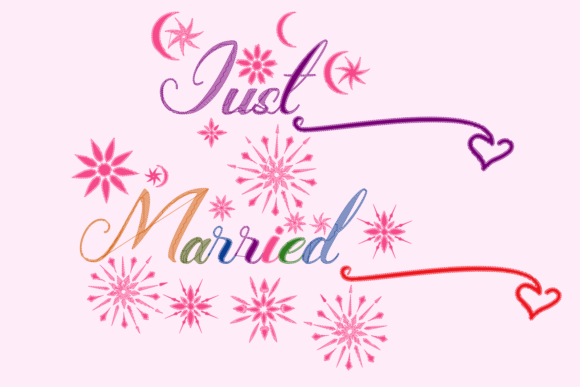
The first thing that strikes you about Just Married Lettering is its balanced aesthetic. It sits comfortably in the Wedding Quotes category without feeling overly ornate or stiff. The lettering style is casual yet refined, which is a difficult combination to achieve in digital embroidery files. Often, casual fonts lose their legibility when converted to stitches, while elegant fonts can become too dense and rigid. This design manages to maintain an authentic hand-written feel, which is crucial for modern brides and grooms who prefer understated elegance over flashy embellishments.
The layout is clean, allowing the words to breathe. For an embroidery project, this openness is a significant advantage. It means the design does not require excessive underlay or complex fill stitches that can distort delicate fabrics. The visual personality suggests warmth and celebration, making it an ideal choice for items meant to be cherished long after the wedding day has passed.
Real-World Application: The Tote Bag Test
To truly understand the value of a design, you must visualize it on a finished product. I imagined applying Just Married Lettering to a heavy canvas tote bag, a popular item for bridal parties and honeymoon travel. In this context, the design shines. The stroke width appears sufficient to hold up against the textured weave of canvas without getting lost. If you are an Etsy seller or small shop owner, this versatility is key. A design that works well on a tote can often translate effectively to other sturdy materials like aprons or pillow covers.
I also considered its use on a sweatshirt. Sweatshirt embroidery requires careful attention to stitch density to avoid puckering. Because this lettering design leans towards a cleaner, more open structure, it is less likely to cause the fabric to bunch up compared to heavily filled monograms. This makes it a safer bet for custom apparel where comfort and drape are priorities. The casual nature of the font complements the relaxed vibe of a post-wedding brunch hoodie or a cozy robe.
Fabric Considerations and Stitching Clarity
When working with any machine embroidery design, fabric texture plays a pivotal role in the final outcome. Just Married Lettering performs best on medium-to-heavy weight fabrics with a tight weave. Cotton twill, denim, and structured linen are excellent candidates. However, caution is advised when using thin or stretchy fabrics. If you plan to embroider this on a silk blouse or a lightweight rayon dress, you must use a high-quality cut-away stabilizer to support the stitches. Without proper stabilization, the tension from the thread could pull the fabric, distorting the elegant curves of the letters.
For those interested in creating an embroidered patch, this design is highly suitable. The clear lines and distinct letterforms translate well to the satin stitch borders often used in patch creation. Ensure that your hoop size is appropriate for the dimensions of the text. If you are scaling the design down for a small cap or a baby item, check the smallest details. Tiny serifs or connecting lines may merge if the design is reduced too much, compromising readability. Always test a sample on scrap fabric before committing to the final garment.
Thread Colors and Contrast
The impact of Just Married Lettering relies heavily on thread color contrast. On white or ivory bridal linens, classic white-on-white embroidery can look sophisticated but may lack definition in photographs. For a printable mockup or digital product preview, I recommend testing high-contrast combinations first. Gold or silver metallic threads can add a festive touch for holiday embroidery or anniversary gifts, but they require slower machine speeds to prevent breakage. Alternatively, a soft blush or sage green thread can soften the look for a more rustic, bohemian aesthetic. Always view your test stitch-out in both natural and artificial light to ensure the colors harmonize with the fabric texture.
Commercial Viability for Craft Businesses
For craft business owners and digital product sellers, the commercial appeal of this design lies in its broad applicability. It is not limited to a single niche. You can market it as part of a wedding collection, but it also fits well into categories like home decor and personalized gifts. The authenticity of the design helps build customer trust. Buyers can see that the lettering is well-proportioned and professional, which reflects positively on your brand consistency.
However, before listing finished products or selling the digital embroidery file itself, you must confirm the licensing terms. Not all designs allow for unlimited commercial use. Check whether the license covers physical sales, such as embroidered towels and caps, or if it extends to digital redistribution. Protecting your craft business from legal issues is just as important as the quality of your stitching. Additionally, consider offering customization options. While Just Married Lettering is a complete phrase, some clients may want to add dates or names. Ensure the design scales well alongside other elements if you plan to combine it with additional graphics.
Practical Designer Notes
Before you load this design into your machine, keep these practical tips in mind:
- Test on Scrap Fabric: Never skip the test stitch. Use the same fabric and stabilizer combination you intend to use for the final product.
- Check Stitch Density: Review the design in your embroidery software. If certain areas look too dense, consider adjusting the pull compensation or underlay settings.
- Inspect Small Details: Zoom in on the connections between letters. Ensure there are no unnecessary jump stitches that could clutter the final look.
- Contrast Matters: Test the design on both light and dark backgrounds. A design that looks great on white may disappear on navy blue without proper thread selection.
- Verify File Formats: Ensure you have the correct file format for your specific embroidery machine. Common formats include PES, DST, and JEF, but compatibility varies by brand.
In conclusion, Just Married Lettering is a versatile and aesthetically pleasing addition to any designer’s library. Its blend of casual and elegant styles makes it suitable for a wide range of embroidery projects, from high-end bridal accessories to cozy home goods. By paying attention to fabric choice, stabilization, and thread contrast, you can produce a finished product that meets the high expectations of today’s discerning customers. Whether you are an experienced apparel decorator or a hobbyist looking to create a special gift, this design offers the reliability and charm needed for successful execution.