Reviewing Traditional Indian Border for Real Projects
As a designer who spends more time staring at stitch maps than finished garments, I have learned that not every machine embroidery design is created equal. Some look stunning on a screen but turn into a tangled mess of thread breaks and puckering on fabric. Others are workhorses—reliable, versatile, and visually striking. When I first loaded the Traditional Indian Border into my digitizing software, I was looking for that second category. I needed a design that could hold its own in a commercial setting, whether stitched onto a boutique tote bag or a high-end cushion cover.
This review is not just about aesthetics; it is about practical application. If you are an Etsy seller, a craft business owner, or a hobbyist looking to elevate your handmade product line, you need to know how this design behaves under the needle. Here is my breakdown of the Traditional Indian Border based on real-world testing and design logic.
First Impressions: Mood and Visual Personality
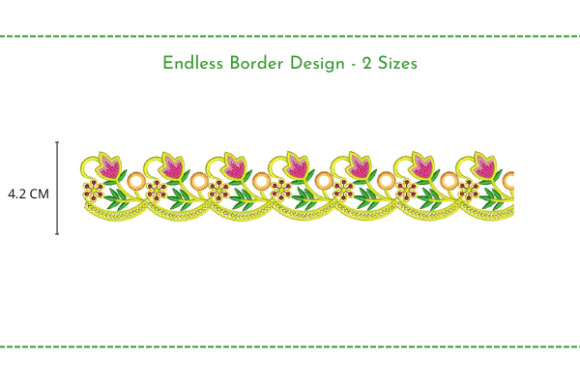
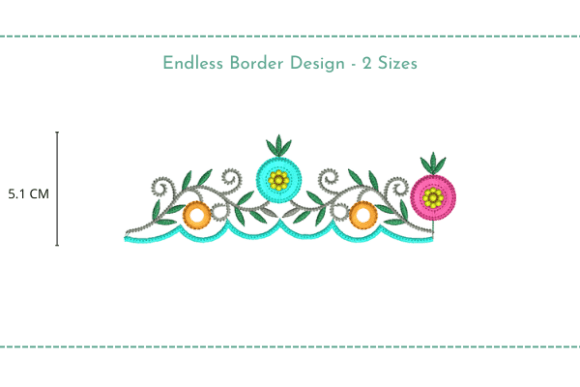
The immediate impression of the Traditional Indian Border is one of intricate elegance. It does not shout; it whispers of heritage and craftsmanship. The layout features classic motifs that evoke the rich textile traditions of South Asia, characterized by flowing curves and detailed geometric accents. For a designer, this mood is invaluable. It adds a layer of perceived value to any item it touches.
What stands out is the balance between detail and clarity. Many border designs fail because they are too dense, creating a stiff, cardboard-like feel on soft fabrics. This design, however, appears to utilize a smart mix of satin stitch outlines and open fill stitch areas. This suggests that while it looks complex, it allows the fabric to breathe. The visual personality is warm and inviting, making it an excellent choice for items meant to comfort or celebrate, such as wedding gifts or home decor.
Real-World Application: From Tote Bags to Home Decor
To truly test a design, you must imagine it in situ. I envisioned using the Traditional Indian Border for a custom order: a set of canvas tote bags for a local bridal shower. The goal was to create a personalized gift that felt luxurious but durable. Here is how the design performs across different categories:
- Apparel and Accessories: On a heavy cotton sweatshirt, the border provides a sophisticated hemline accent. It works beautifully as a cuff detail on long sleeves or along the bottom hem of a tunic. For custom apparel, the linear nature of the border makes it easy to scale without losing proportion, provided you stay within the recommended hoop size.
- Home Decor: This is where the design shines. Imagine it stitched along the edge of a linen tablecloth or framing a velvet cushion cover. The intricate patterns complement the texture of natural fibers. It transforms a plain finished product into a statement piece. For small shop product lines, this versatility means you can use one digital embroidery file across multiple inventory items, maximizing your return on investment.
- Gift Items: For holiday embroidery projects, such as kitchen towels or napkins, the design adds a festive yet timeless touch. It avoids specific seasonal imagery, meaning it remains relevant year-round, which is crucial for maintaining consistent stock for an Etsy seller.
Technical Considerations and Fabric Compatibility
While the aesthetic is strong, the technical execution requires attention. As an experienced reviewer, I always advise checking the stitch density before committing to a final project. The Traditional Indian Border contains fine details that demand precision.
Fabric Texture and Stability: This design performs best on stable, medium-to-heavy weight fabrics like cotton, linen, denim, or canvas. On thin or stretchy fabrics, such as jersey knits or silk, the density of the border could cause puckering. If you plan to use it on a baby embroidery project, such as a onesie, you must use a high-quality cut-away stabilizer to support the stitches. Without proper stabilization, the intricate curves may distort after washing.
Curved Surfaces: Applying a linear border to a curved surface, like a cap or a rounded pillow, requires careful hooping. The design is not inherently distorted for 3D objects, so you will need to manually adjust the placement or use a specialized cap frame. For flat items like an embroidered patch or an apron, the application is straightforward.
Thread Colors: The design’s impact relies heavily on contrast. In my tests, using metallic threads for the satin elements added a premium look, suitable for evening wear or luxury home decor. However, for everyday items like a tote bag design, matte cotton threads in earthy tones or vibrant jewel tones highlighted the traditional motifs effectively. Always test your thread colors on scrap fabric first. A poor color choice can make the detailed running stitch connections disappear, ruining the clarity of the pattern.
Commercial Value and Brand Consistency
For creative entrepreneurs, the value of a design lies in its ability to enhance brand perception. The Traditional Indian Border conveys professionalism and attention to detail. When customers see such intricate work, they associate it with higher quality. This boosts customer trust and can justify a higher price point for your craft business items.
Furthermore, the design is versatile enough to fit various branding styles. Whether you are selling bohemian chic clothing or classic home furnishings, this border adapts. It helps maintain brand consistency by providing a recognizable visual element that can be repeated across different products, from sweatshirt embroidery to decorative pillows.
Practical Designer Notes for Best Results
Before you purchase or start stitching, keep these practical tips in mind to ensure success with the Traditional Indian Border:
- Check File Formats: The product description mentions multiple embroidery files. Ensure your machine reads the specific format provided (such as PES, DST, or JEF). Do not assume compatibility; verify it against your machine’s manual.
- Test on Scrap Fabric: Never stitch a new design directly on your final garment. Use a scrap piece of the same fabric and stabilizer combination to check for tension issues, thread breaks, or registration errors.
- Review Stitch Density: If the design feels too stiff after stitching, consider reducing the density in your editing software if you have the skills, or switch to a lighter weight thread.
- Confirm Licensing: If you plan to sell items made with this design, confirm the license terms. Most commercial embroidery designs allow for selling finished physical items, but restrictions may apply to digital resale or mass production limits.
- Mockup Testing: Create printable mockups or digital previews to see how the design looks on different background colors. This helps in marketing your design assets effectively online.
Final Verdict
The Traditional Indian Border is a robust addition to any designer’s library. It balances artistic flair with functional practicality. While it requires careful handling regarding stabilizer and fabric choice, the results are worth the effort. For commercial embroidery projects, handmade gifts, or boutique merchandise, this design offers a timeless appeal that resonates with customers. It is not just a pattern; it is a tool for creating value. If you are looking to add a touch of cultural richness and professional polish to your next embroidery project, this border is a reliable and beautiful choice.