My Kitchen My Rules Gnome Review
As an embroidery designer who spends countless hours digitizing and testing files for boutique apparel, I have developed a keen eye for what makes a design commercially viable. It is not just about the aesthetic appeal; it is about stitchability, versatility, and how well the final product translates to real-world garments. Recently, while curating assets for a upcoming seasonal collection focused on cozy home-life themes, I came across My Kitchen My Rules Gnome. This piece caught my attention immediately because it bridges the gap between whimsical character art and bold typographic statements, a combination that tends to perform exceptionally well in the current market.
First Impressions and Visual Personality
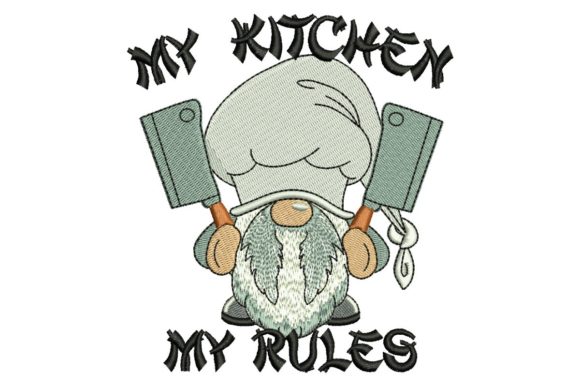
The first thing you notice about My Kitchen My Rules Gnome is its playful yet authoritative vibe. The gnome character serves as a charming anchor, but the accompanying text delivers the punchline. In the world of machine embroidery design, balancing cute imagery with clear, readable text can be tricky. However, this design manages to feel both elegant and gorgeous, as described in its overview, without sacrificing the fun factor. It feels premium rather than cheap, which is crucial when you are aiming for higher price points in your small shop product lineup.
The visual mood is distinctly rustic and playful, fitting perfectly into the trending "cottagecore" and cozy home aesthetics. For a boutique brand, this means the design is not limited to literal kitchen wear. It has enough personality to work on lifestyle apparel that celebrates domestic joy. The detail level appears sufficient to create texture and depth without becoming so dense that it compromises the hand of the fabric. This balance is essential for maintaining comfort, especially when working with softer materials like fleece or cotton blends.
Versatility in Apparel Applications
When I evaluate a new embroidery file, I always visualize it across different garment types. My Kitchen My Rules Gnome offers surprising flexibility. Here is how I see it performing in various applications:
- Sweatshirt Embroidery: This is arguably the strongest use case. Placed on the left chest of a neutral or pastel sweatshirt, the design acts as a subtle statement piece. The contrast of the thread against soft fleece creates a tactile experience that buyers love.
- Hoodie Design: For oversized hoodies, this design works beautifully as a centered chest piece. It is bold enough to stand out but not so large that it overwhelms the garment. It also lends itself well to sleeve accents if you want to create a more intricate, high-value item.
- T-Shirt Embroidery: On lighter fabrics, the design needs careful handling regarding stabilizer choice, but it can look fantastic on pocket areas or as a small back-neck label alternative.
- Tote Bag Design: Canvas tote bags are a staple for Etsy sellers. Stitching this design onto a natural canvas bag creates an instant bestseller for grocery runs or farmers' market trips, aligning perfectly with the kitchen theme.
- Denim Jackets: The rugged texture of denim provides a great backdrop for the colorful threads typically used in gnome designs. It adds a pop of whimsy to an otherwise utilitarian jacket.
For those creating custom apparel lines, this versatility means you can maximize your return on investment by using one digital embroidery file across multiple product categories. Whether you are selling finished products or offering personalization services, the adaptability of this design is a significant asset.
Technical Considerations for Professional Results
While My Kitchen My Rules Gnome is described as easy to stitch, professional results require attention to technical details. As an experienced designer, I cannot stress enough the importance of testing. Before committing to a full production run, always stitch out the design on scrap fabric that matches your intended garment material.
Stabilizer choice is critical. For stretchy fabrics like jersey knits or heavy fleece, a cut-away stabilizer is often necessary to prevent distortion over time. If you are stitching on woven fabrics like tote bags or denim, a tear-away might suffice, but always test first. Pay close attention to thread colors. The charm of a gnome design lies in its color palette. Ensure you have high-quality threads that offer good coverage and sheen. Poor quality thread can make even the best design look flat and unprofessional.
Another key factor is stitch density. While the product description notes it is high-quality, you must inspect the density relative to your fabric. Dense stitching on thin t-shirts can cause puckering. If you find the density too high for lightweight fabrics, consider using a water-soluble topping to keep the stitches from sinking into the nap of the fabric. Additionally, confirm the hoop size required for this design. Ensure your machine can accommodate the hoop, and that the placement fits comfortably on your chosen garment without hitting seams or zippers.
Enhancing Brand Identity and Value
Incorporating well-chosen designs like My Kitchen My Rules Gnome into your collection does more than just add inventory; it builds brand identity. Consistent use of high-quality, themed embroidery helps establish your boutique brand as curated and thoughtful. Buyers trust brands that present cohesive collections. When a customer sees this design on a hoodie, a tote, and a tea towel, they recognize a consistent aesthetic that speaks to a specific lifestyle.
This consistency aids in product recognition and can significantly boost customer engagement on social media. High-quality printable mockup images featuring this design can help potential buyers visualize the finished product before purchasing. For commercial embroidery businesses, offering unique, licensed designs sets you apart from competitors who rely on generic, overused clipart. It signals that you invest in quality assets, which translates to perceived value in your pricing.
Strategic Placement and Fabric Choices
Where you place My Kitchen My Rules Gnome can dictate its success. Small chest placements are trendy and safe, but do not overlook the power of back designs for hoodies. A larger version of this design on the back of an oversized sweatshirt can create a striking statement piece. However, be cautious with curved surfaces like the shoulders or sleeves. Complex curves can distort the text portion of the design if not hooped correctly.
Fabric texture also plays a role. On textured fleece, ensure your needle is sharp enough to penetrate without causing excessive holes. On smooth cottons, watch for registration issues if the design has fine details. Dark garments require careful thread color selection to ensure readability. Bright, contrasting colors will pop, while tonal threads may get lost. Always consider the end-user's perspective: will the design remain clear and attractive after multiple washes?
Final Thoughts for Creative Entrepreneurs
For Creative Fabrica users and handmade product creators, My Kitchen My Rules Gnome represents a solid addition to a spring or holiday collection. It taps into the enduring popularity of gnomes while adding a humorous, relatable twist that resonates with home cooks and family organizers. Before you begin production, remember to check the specific licensing terms provided with the download. Ensure you understand the rights for selling finished product items, especially if you plan to scale your Etsy seller business.
By combining this engaging design with careful technical execution and strategic marketing, you can create apparel that not only sells but also delights your customers. Take the time to test, refine, and present your work professionally. The effort you put into selecting and executing high-quality designs like this one will reflect in the reputation and success of your creative enterprise.