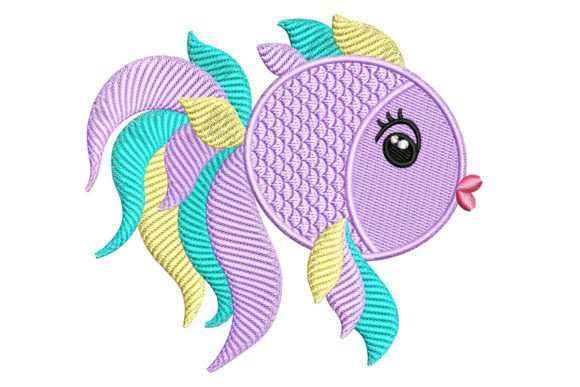
Rainbow Fish Embroidery Review: A Designer’s Take
As an embroidery designer who spends countless hours digitizing and testing designs for commercial use, I am always on the lookout for assets that balance visual appeal with technical reliability. When I recently browsed Creative Fabrica embroidery collections for my upcoming summer line, the Rainbow Fish design caught my eye. It promised to be colorful and unique, a cute addition capable of bringing fabrics to life. But does it hold up under the needle? In this review, I will break down my experience evaluating this machine embroidery design for real-world projects, from custom apparel to handmade gifts.
First Impressions: Visual Mood and Stitching Personality
The immediate appeal of the Rainbow Fish lies in its vibrant potential. The description highlights its ability to enhance summer dresses, children's clothes, and room decor, which aligns perfectly with current market trends. Visually, the design suggests a playful, whimsical mood. For embroidery designers, this is crucial because the "personality" of a stitch file dictates where it can be sold. This particular embroidery file feels tailored for joyous, lighthearted applications rather than serious or minimalist branding.
The color palette implied by the title suggests a heavy reliance on varied thread colors. In digital previews, these transitions look smooth, but the real test is how they translate to physical thread. The design appears to utilize a mix of satin stitch for outlines and definition, likely paired with fill stitch areas to create the body of the fish. This combination is standard for achieving a professional look without excessive stitch counts that might pucker lightweight fabrics. The decorative appeal is high, making it a strong candidate for products that rely on visual pop, such as beach bags and towels.
Real-World Application: From Tote Bags to Nursery Decor
When considering a new digital embroidery file, I always ask: "Where will this sell?" The versatility of the Rainbow Fish is one of its strongest assets. Here is how I envision using it across different product categories:
- Custom Apparel: This design is ideal for children’s clothes and summer dresses. The cute aesthetic fits naturally on t-shirts and rompers. For adult apparel, it could work well on pocket areas of denim jackets or as a central motif on casual tunics.
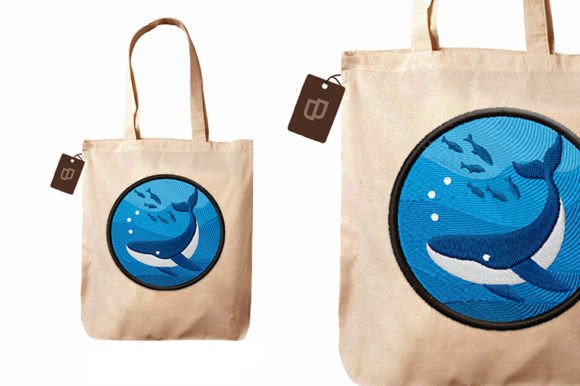
- Tote Bag Design: Canvas totes are staples for Etsy sellers. A colorful fish adds a fun, aquatic theme that appeals to beachgoers and library users alike. The design’s scale seems appropriate for standard tote dimensions.
- Sweatshirt Embroidery: On fleece or cotton blends, the fill areas of the fish would provide nice texture. However, care must be taken with hoop placement to avoid distortion on thick seams.
- Nursery Decor and Pillow Covers: For home decor, this motif works beautifully on cushion covers or wall hangings. It adds a splash of color to neutral nursery palettes, enhancing the room's playful atmosphere.
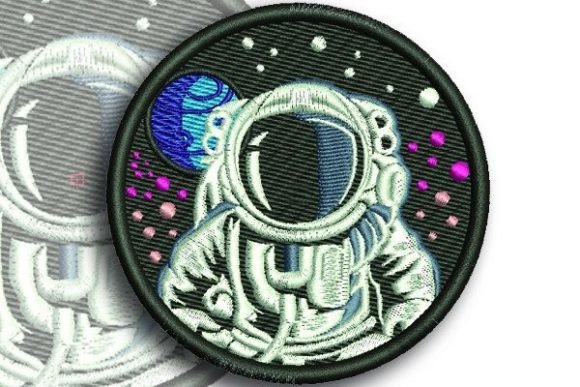
- Embroidered Patch: If stitched on twill with a merrowed or satin border, this could become a standalone patch. Patches are high-margin items for craft fairs and online shops.
Beyond these, the design is suitable for bathrobes, swimsuits, and kitchen towels. For small business owners, having a single asset that can be applied across such a wide range of finished product types increases the return on investment for the download.
Technical Considerations for Professional Results
While the aesthetic is promising, technical execution is where many designs fail. As a professional, I approach every new file with a critical eye toward stitch density and fabric compatibility. The Rainbow Fish requires careful handling to ensure quality.
Fabric Selection and Stabilizer
The description mentions swimsuits and summer dresses, which implies use on stretchy or lightweight materials. For knit fabrics like those used in children’s clothes, a cut-away stabilizer is non-negotiable to prevent shifting. For woven fabrics like towels or aprons, a tear-away may suffice, but testing is essential. If you are stitching on dark fabric, you must check if the design includes underlay stitches that adequately cover the background. Without proper underlay, the colorful threads may look dull against dark material.
Hoop Size and Placement
Before purchasing, verify the available hoop size options. While the description does not specify exact dimensions, most fish designs fit within standard 4x4 or 5x7 hoops. If you plan to use this on curved surfaces like caps, ensure the design is not too wide, as this can cause registration issues. For caps, a narrower version or careful hooping with a cap frame is necessary to maintain the integrity of the satin stitch outlines.
Stitch Density and Texture
Dense stitch areas can lead to puckering, especially on thin fabrics like those used for baby blankets or handkerchiefs. I recommend reviewing the stitch count if provided in the product details. If the density is high, consider using a water-soluble topping to keep stitches from sinking into plush fabrics like towels or bathrobes. This ensures the applique design or filled areas remain crisp and visible.
Enhancing Product Value and Brand Consistency
For Etsy sellers and creative entrepreneurs, the choice of design assets directly impacts brand perception. The Rainbow Fish offers a way to create cohesive collections. For example, you could offer a matching set of a tote bag and a kitchen towel, both featuring the same fish motif. This consistency builds buyer trust and encourages larger orders.
Moreover, the visual appeal of this design aids in product photography. Bright, colorful embroidery photographs well on social media, driving customer engagement. When creating printable mockup images for your online store, ensure the digital representation matches the stitched reality. Misleading mockups can lead to returns and negative reviews. By stitching a sample on the actual fabric you intend to sell, you can capture authentic images that highlight the texture and sheen of the threads.
Practical Steps Before Commercial Use
Before adding items made with this commercial embroidery design to your shop, follow these steps to ensure quality and compliance:
- Test on Scrap Fabric: Always stitch a test piece on the same material and weight as your final product. Check for thread breaks, nesting, or puckering.
- Check Thread Color Contrast: Ensure the chosen thread colors stand out against the fabric. You may need to adjust the color sequence in your embroidery software to match your brand palette.
- Inspect Small Details: Look closely at the eyes and fins of the fish. Are the running stitch details clear? Do the satin columns connect properly? Tiny errors can detract from the overall quality.
- Confirm Licensing: Review the license terms on the Creative Fabrica product page. Ensure that selling finished items made with this design is permitted for your specific business model.
- Compare Light and Dark Mockups: Create samples on both light and dark fabrics to see how the design performs. This allows you to offer more variety to your customers.
Final Verdict: Is Rainbow Fish Worth It?
The Rainbow Fish is a charming addition to any embroidery designer’s library. Its strength lies in its versatility and cheerful aesthetic, making it suitable for a wide array of handmade product lines. While it requires standard technical precautions regarding stabilizer and fabric choice, it does not present any unusual difficulties that would deter an experienced stitcher.
For those looking to expand their summer collections or add playful elements to children’s items, this design is a solid choice. It serves well as a personalized gift option or a standout feature on custom apparel. As with any design assets purchase, the key to success lies in thorough testing and thoughtful application. If you prioritize quality and take the time to optimize the stitch-out for your specific materials, the Rainbow Fish can certainly bring your fabrics to life and contribute to a successful, profitable embroidery business.