Space Embroidery: A Designer’s Craft Fair Review
As an embroidery designer who has spent countless weekends behind a booth table, I know that not every machine embroidery design translates into a bestseller. Some designs look stunning on a screen but fail to catch the eye in a crowded market. Today, I am reviewing Space, a new addition to the Robots category, to determine if it deserves a spot in my upcoming craft fair lineup. This review is written for fellow Etsy sellers, boutique makers, and creative entrepreneurs who need to know if a digital asset will convert into a profitable finished product.
First Impressions: Modern Elegance Meets Playful Charm
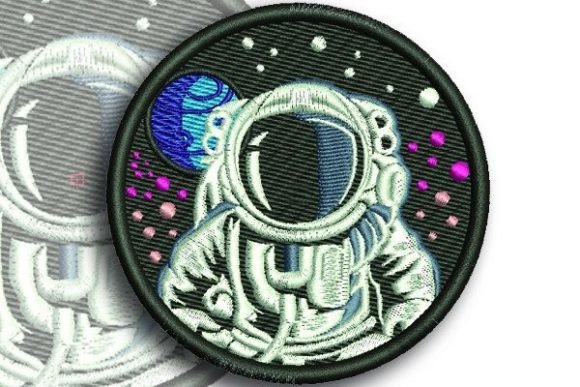
The title Space immediately suggests a theme that is both vast and modern. Upon loading the digital embroidery file, the first thing I noticed was the balance between fun and sophistication. The description claims it is "easy to stitch" and "elegant," which are two traits that do not always go hand in hand. However, in this case, the design achieves a clean aesthetic that feels premium rather than cluttered. It does not scream "cartoonish," which allows it to appeal to a broader demographic, from children who love robots to adults who appreciate minimalist decor.
For a craft fair seller, visual appeal is everything. Space has a bold presence that can be understood at a glance. In a busy aisle, customers scan tables quickly. A design that requires explanation often gets skipped. This design, however, communicates its theme instantly. Whether you position it as a cute accent or a focal point, it holds its own. It feels modern and slightly futuristic, fitting perfectly into the current trend of tech-inspired handmade goods that still retain a soft, artisanal touch.
Product Versatility: Where Space Shines
The true test of any embroidery file is its versatility. Can it work on a curved cap? Does it get lost on a textured towel? I evaluated Space across several potential craft fair products to see where it performs best.
- Tote Bags and Market Bags: This is arguably the strongest application for Space. A large tote bag provides ample canvas for the design to breathe. The elegance mentioned in the description translates well here, turning a simple cotton bag into a stylish accessory. It works beautifully as a central tote bag design that draws attention without overwhelming the fabric.
- Aprons and Tea Towels: For kitchenware, the design adds a whimsical yet clean touch. Apron embroidery benefits from designs that are not too dense, ensuring the fabric remains flexible and comfortable. Similarly, tea towel embroidery requires a design that does not pucker the thin fabric. Space appears to have a balanced stitch structure that should lay flat on linen or cotton blends.
- Embroidered Patches: Patches are high-margin items for small shops. If the design scales down well, it becomes an excellent embroidered patch for jackets or backpacks. The bold lines likely hold up well even when reduced in size, making it a versatile small shop product.
- Caps and Hats: Curved surfaces are tricky. While Space is described as easy to stitch, placing it on a cap requires careful hooping. If the design is too wide, it may distort on the front panel. I recommend testing this on a structured cap first to ensure the robot elements remain crisp.
Production Practicality for Batch Selling
When preparing for a weekend market, time is money. A design that takes hours to stitch or frequently breaks threads is a nightmare for production. The description notes that Space is "fun and easy to stitch." From a designer’s perspective, this usually implies optimized pathing and reasonable stitch density.
For batch production, consistency is key. If you are making ten tote bags, you need the design to look identical on each one. Space seems to offer the repeatability needed for commercial success. It photographs well for online listings, which is crucial for Etsy sellers who rely on digital presence to drive foot traffic to their physical booths or online stores. A clean, high-contrast design like this creates striking printable mockup images that enhance perceived value.
Critical Considerations for Fabric and Thread
While the design is robust, there are careful-use notes every maker should consider. The "Robots" category often implies geometric shapes or mechanical details. These elements can sometimes suffer on highly textured fabrics. If you are stitching on a waffle-weave towel or a thick wool blanket, the fine details might get lost. I strongly advise testing on scrap fabric first.
Thread colors play a massive role in how Space is perceived. On dark fabric, you will need high-contrast threads to maintain visibility. On light fabric, you have more freedom to play with pastels or metallics for a premium look. Always check your hoop size compatibility. Since the product comes with multiple embroidery formats, ensure you select the size that fits your machine’s maximum hoop capacity without unnecessary resizing, which can distort stitch angles.
Enhancing Brand Consistency and Buyer Engagement
Using Space in your product line can strengthen your brand identity if you position it correctly. It bridges the gap between niche interest (robots/space) and mainstream appeal (elegance/fun). This duality helps in creating a cohesive booth display. Imagine a table with neutral-toned linens, where the embroidered items pop with vibrant thread colors. The design acts as a conversation starter, increasing buyer engagement.
For commercial embroidery businesses, this design offers a safe yet interesting option for corporate gifts or tech-company swag. It is professional enough for a workplace item but unique enough to stand out. When customers see a well-executed handmade product like this, they perceive higher quality. The clean lines suggest precision, which reflects positively on your craftsmanship.
Designer Notes: Before You Stitch
Before you commit to producing a full inventory, follow these practical steps to ensure success with Space:
- Test on Scrap Fabric: Never skip this step. Check for puckering, especially if using lightweight fabrics like chiffon or thin cotton.
- Check Stabilizer Compatibility: Use the right stabilizer for your fabric type. A cut-away stabilizer might be best for stretchy fabrics like tote bags, while a tear-away could suffice for stable cottons.
- Review Spacing and Density: Inspect the stitch map in your software. Look for any areas where stitches overlap excessively, which could cause thread breaks.
- Create Real Mockups: Stitch one sample item and photograph it in natural light. Compare how it looks on different fabric colors to determine your best-selling combination.
- Confirm Licensing: Although this is a high-quality design, always confirm the commercial licensing terms included with the design assets. Ensure you are cleared to sell finished products featuring this motif.
In conclusion, Space is a promising addition to any embroidery designer’s library. It balances aesthetic appeal with production efficiency, making it a strong candidate for craft fairs and online shops alike. By understanding its strengths and limitations, you can leverage this machine embroidery design to create standout products that resonate with customers and boost your sales.